


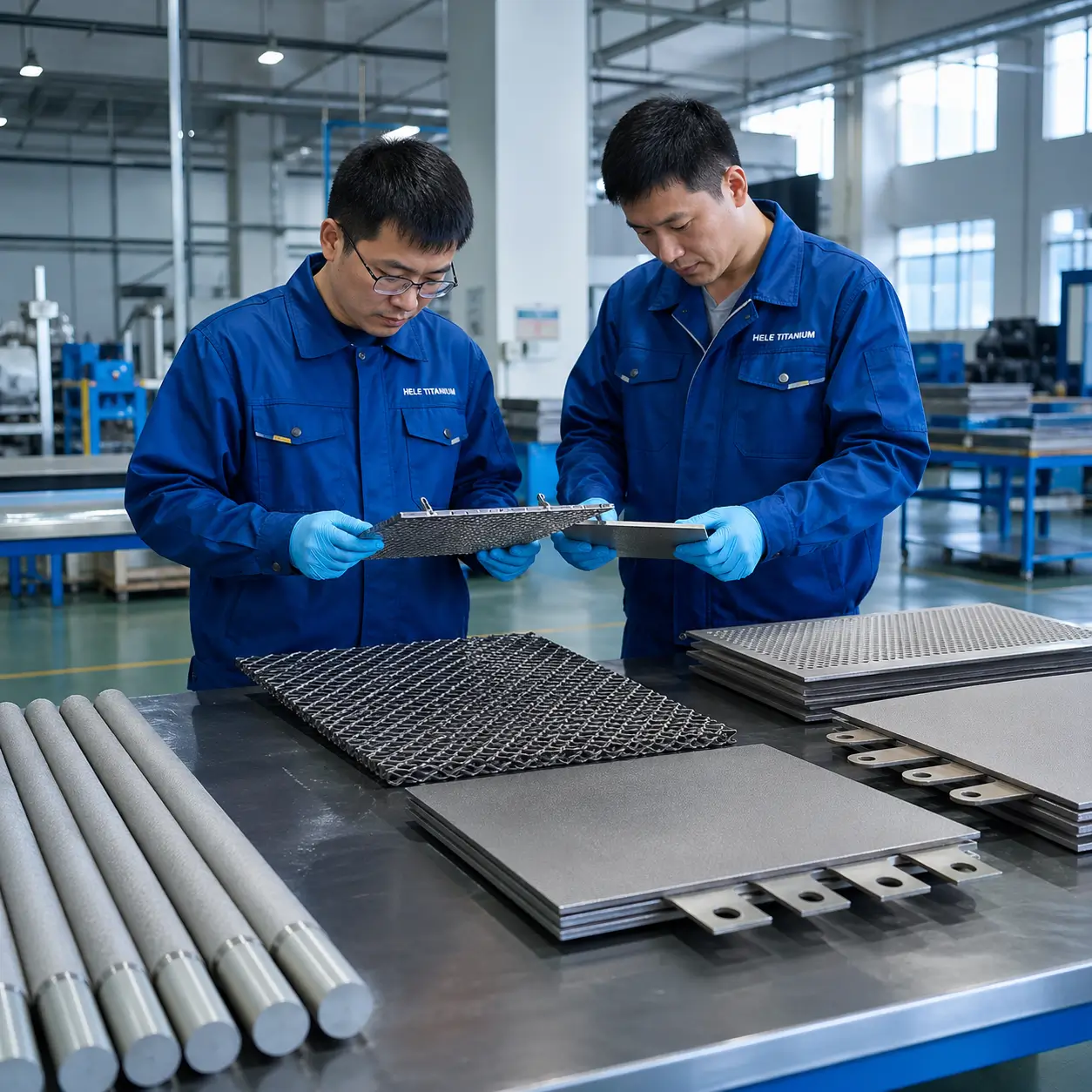
Titanium Anode Procurement Guide for Engineers & Industrial Buyers
When your system depends on stable efficiency, long-term durability, and resistance to aggressive electrolytes, the right titanium anode is not just a part — it is the backbone of performance and profitability. This guide helps engineers and procurement teams navigate the broad category of titanium anodes, evaluating coatings, geometries, operating limits, supplier quality, and lifecycle value.
Before You RFQ Titanium Anodes, Confirm These 4 Things:
- Application: chlorination, oxygen evolution, plating, oxidation, or cathodic protection
- Operating conditions: electrolyte, pH, temperature, and current density
- Performance target: service life, voltage window, efficiency, and coating durability
- Mechanical design: coating type, anode geometry, connection method, and drawing requirements
1. What Is a Titanium Anode?
Understanding the fundamental composition of a titanium anode is the first step in evaluating its suitability for your electrochemical process.
A titanium anode is a precision-engineered electrode composed of a corrosion-resistant titanium substrate and a highly active catalytic coating.
- Substrate: Pure titanium alone forms an insulating titanium dioxide layer under anodic polarization, halting current flow.
- Coating: The catalytic coating ensures desired electrochemical reactions occur efficiently.
- Structure: Titanium provides the necessary structural integrity and conductivity.
Titanium Anode Cross-Section
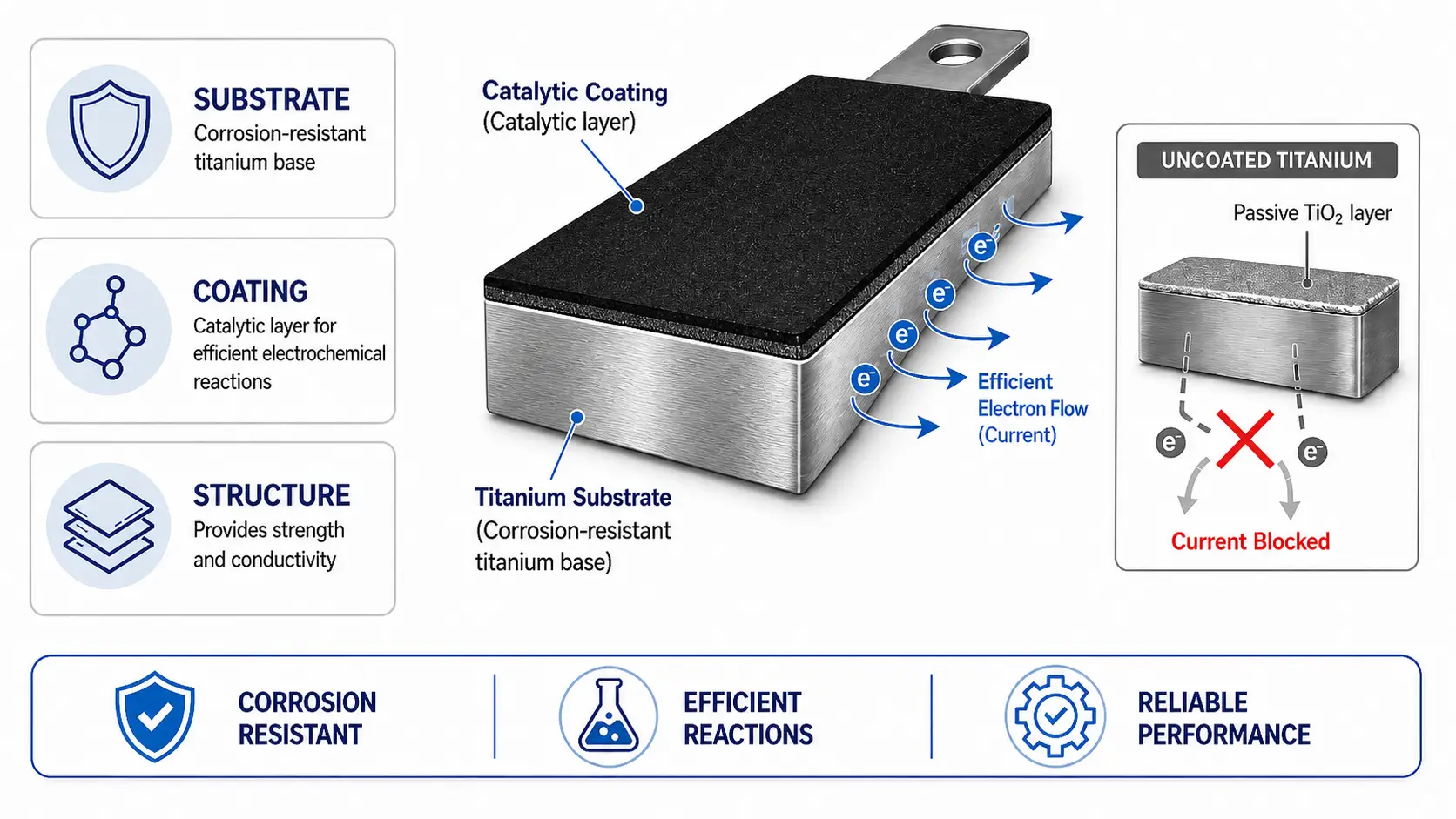
Figure: Schematic representation of a Dimensionally Stable Anode (DSA)
2. Titanium Anodes vs MMO Anodes
While often used interchangeably, "Titanium Anode" is the parent category, whereas "MMO Anode" is a specific—and the most common—type.
Titanium anodes refer to any electrode utilizing a titanium substrate due to its exceptional corrosion resistance and shape stability. MMO (Mixed Metal Oxide) anodes specifically feature a catalytic coating of precious metal oxides, such as Ruthenium or Iridium.
However, the titanium anode family extends beyond MMO. It also includes Platinized Titanium (Pt/Ti), Lead Dioxide (PbO₂) coated titanium, and Boron-Doped Diamond (BDD/Ti) anodes, each serving distinct electrochemical purposes where standard MMO might not be suitable.
3. Common Titanium Anode Coatings
The catalytic coating determines the anode's function. The most common coatings applied to titanium substrates include:
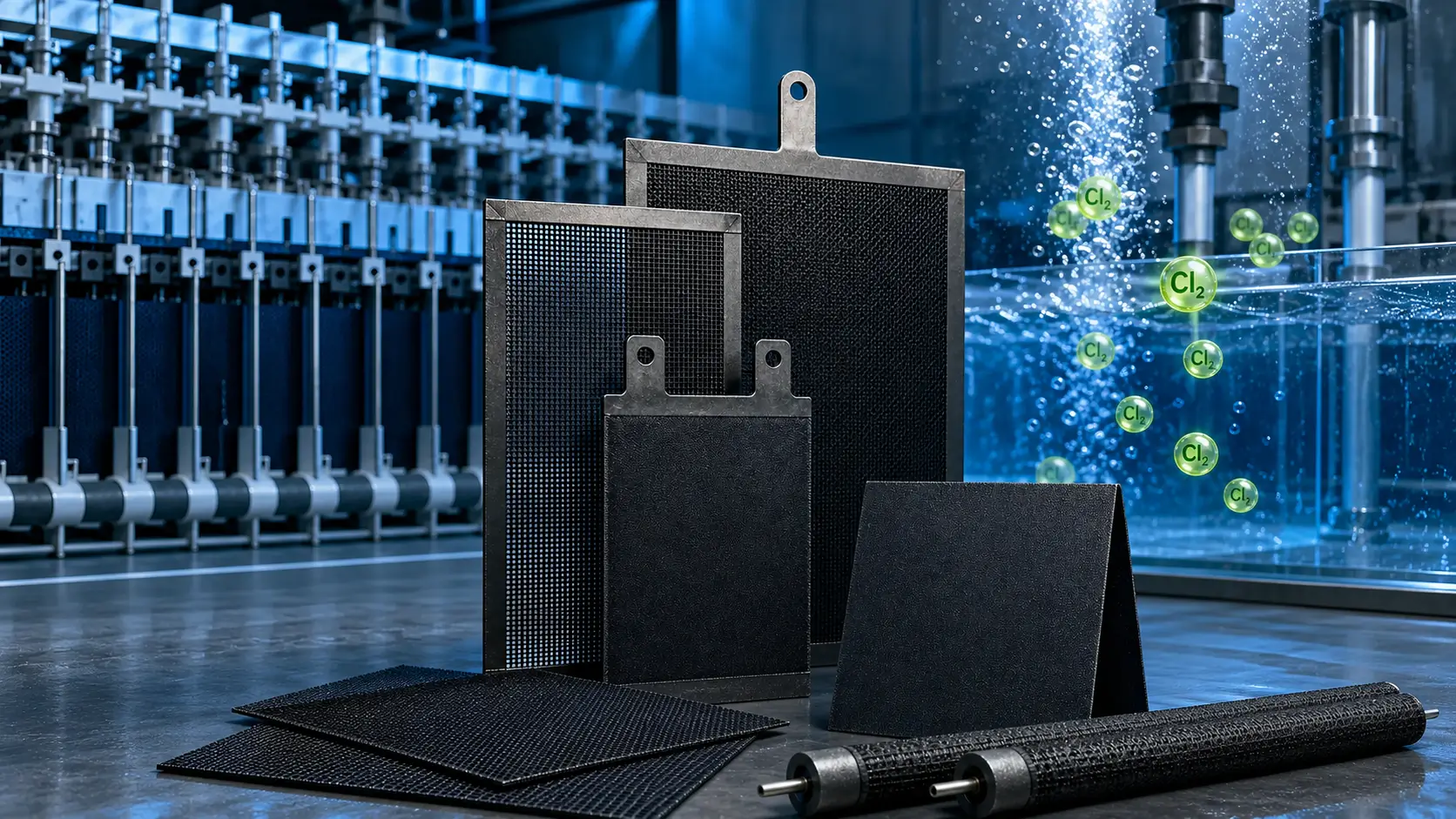
- MMO (Mixed Metal Oxide): Typically composed of Ruthenium-Iridium (Ru-Ir) or Iridium-Tantalum (Ir-Ta). These are the industry standard for chlorine and oxygen evolution.
- Platinized Titanium (Pt/Ti): A thin layer of pure platinum electroplated or clad onto titanium. Used for high-purity applications like precious metal plating or water ionization.
- Lead Dioxide (PbO₂/Ti): Offers a high oxygen overpotential, making it ideal for aggressive organic oxidation, hydrometallurgy, and wastewater treatment.
- Boron-Doped Diamond (BDD/Ti): Provides the widest potential window for extreme electrochemical oxidation processes.
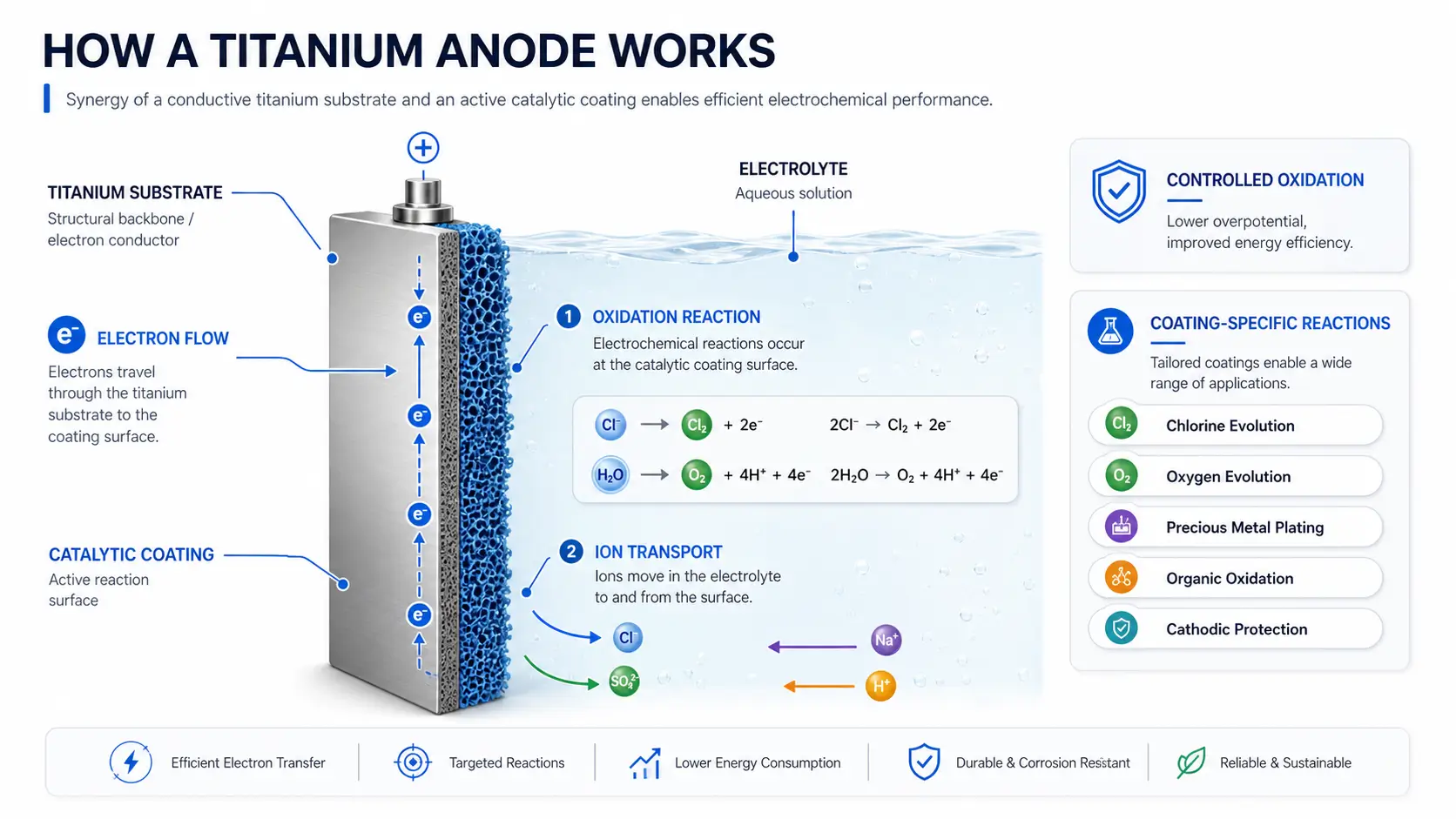
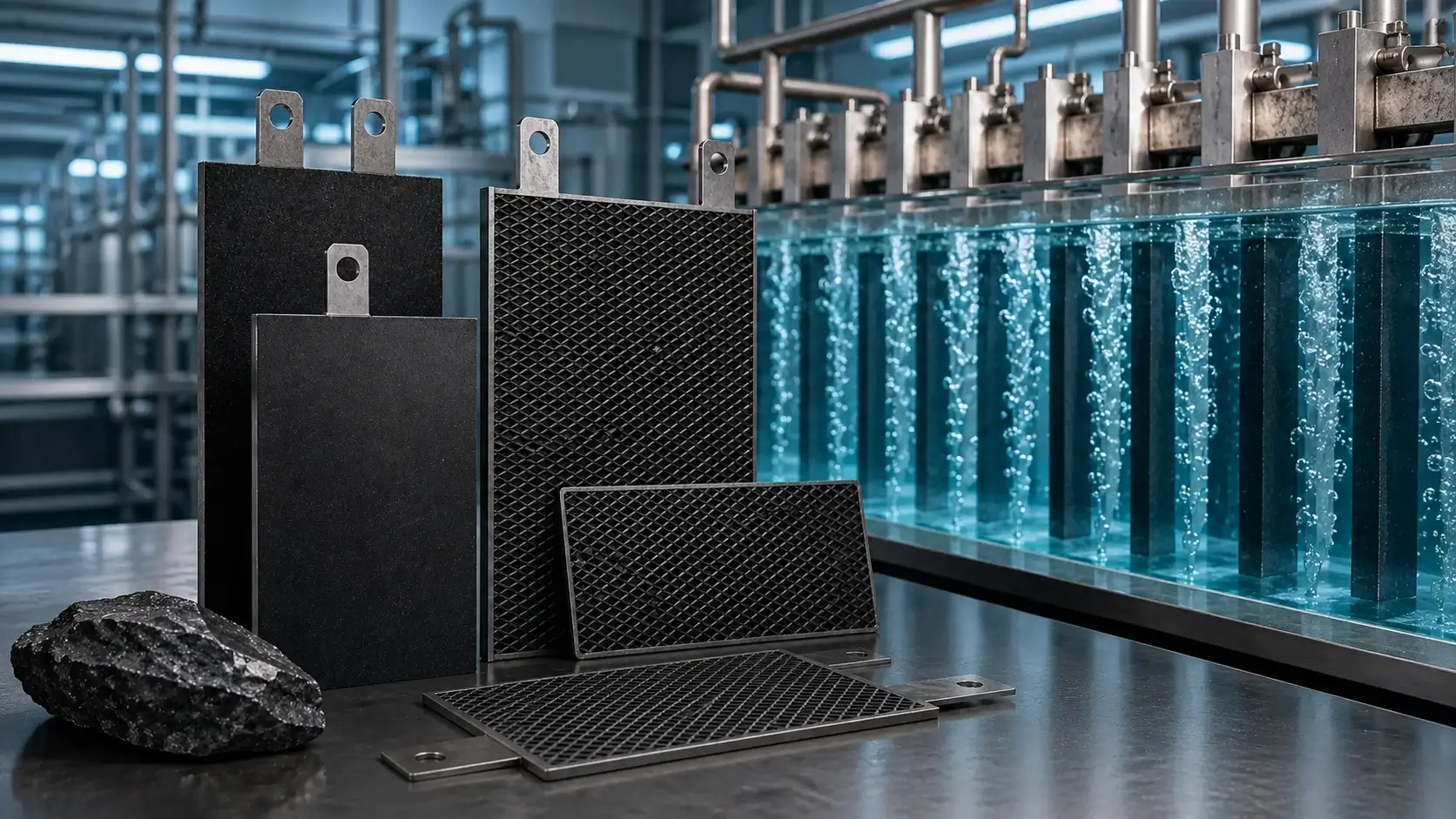
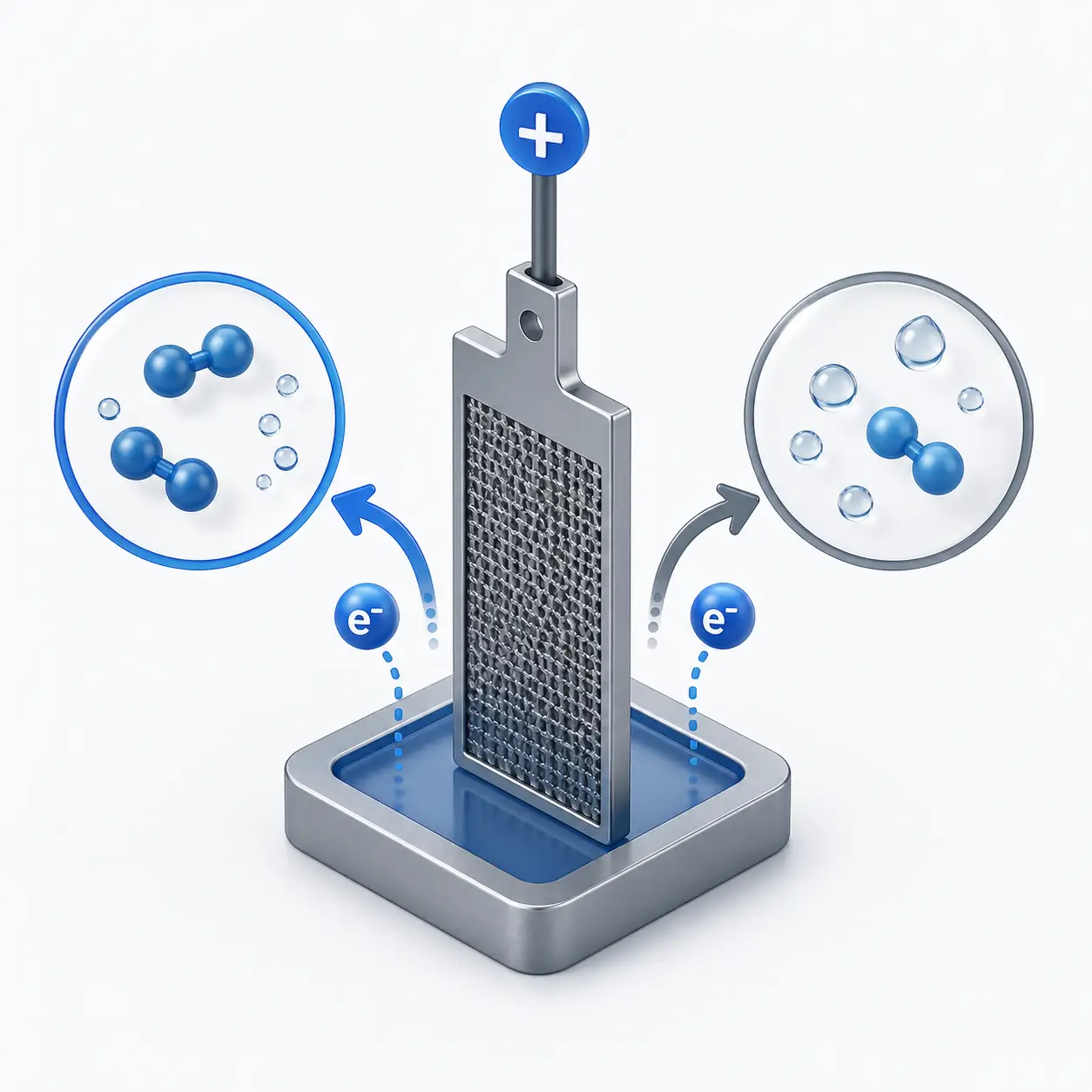
Figure: The catalytic coating lowers the activation energy for specific oxidation reactions at the anode-electrolyte interface, while the titanium substrate rapidly conducts the released electrons away to the external circuit.
4. How to Choose Titanium Substrate
Selecting the correct grade and form of the titanium substrate ensures the mechanical integrity and formability required for your specific cell design.
| Material / Form | Standard | Characteristics |
|---|---|---|
| Grade 1 Titanium | ASTM B265 / B338 | Highest purity and ductility. Ideal for complex deep drawing and expanded mesh forms. |
| Grade 2 Titanium | ASTM B265 / B348 | Standard industrial workhorse. Higher strength, widely used for plates, rods, and tubes. |
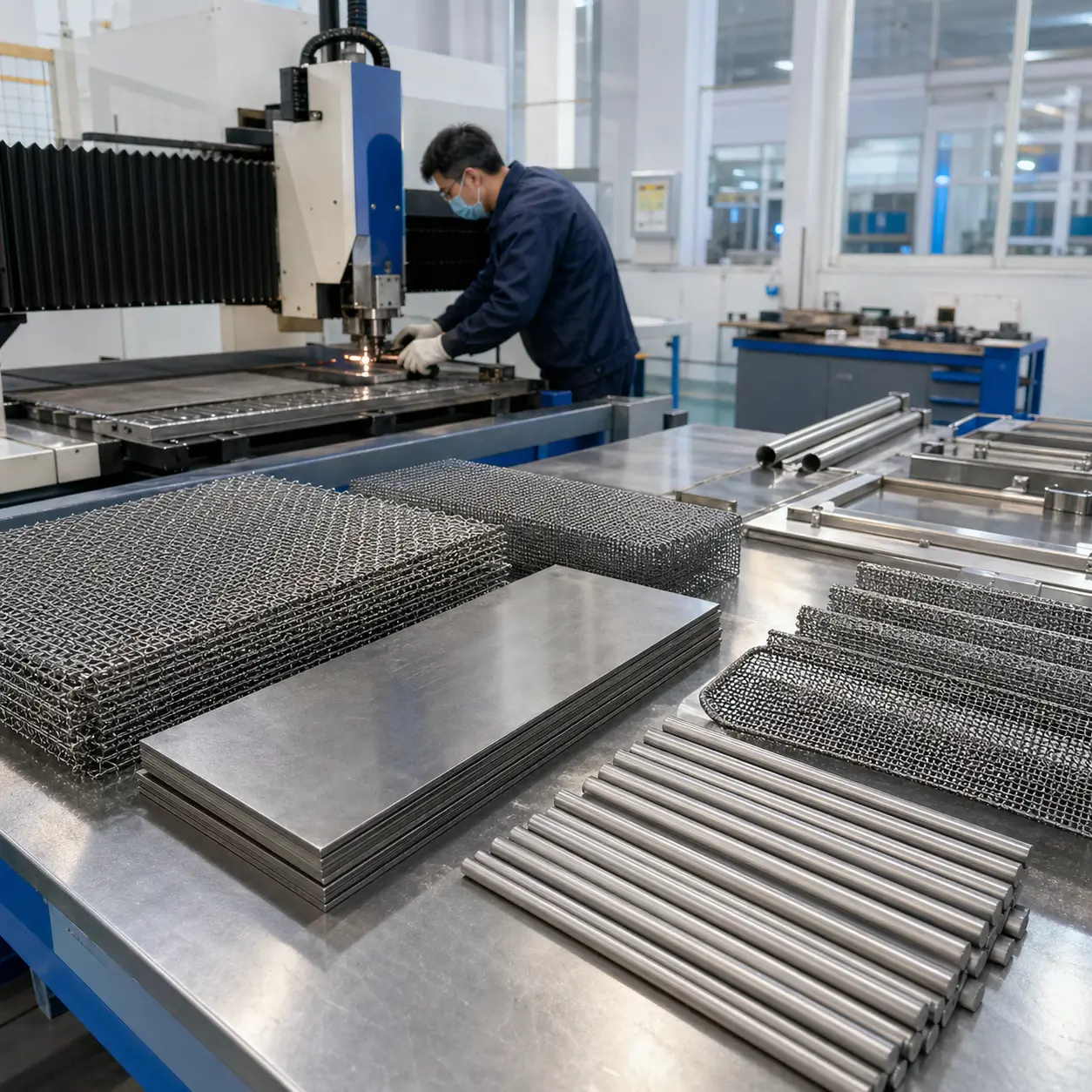
| Substrate Forms | Various | Available as plate, expanded mesh, seamless tube, solid rod, and wire. |
5. How to Choose Anode Form
Anode geometry directly impacts current distribution, gas release, and installation. Optimize the shape to fit your unique operational constraints.
| Geometry | Geometry Strength | Design Benefit | Best Use Case |
|---|---|---|---|
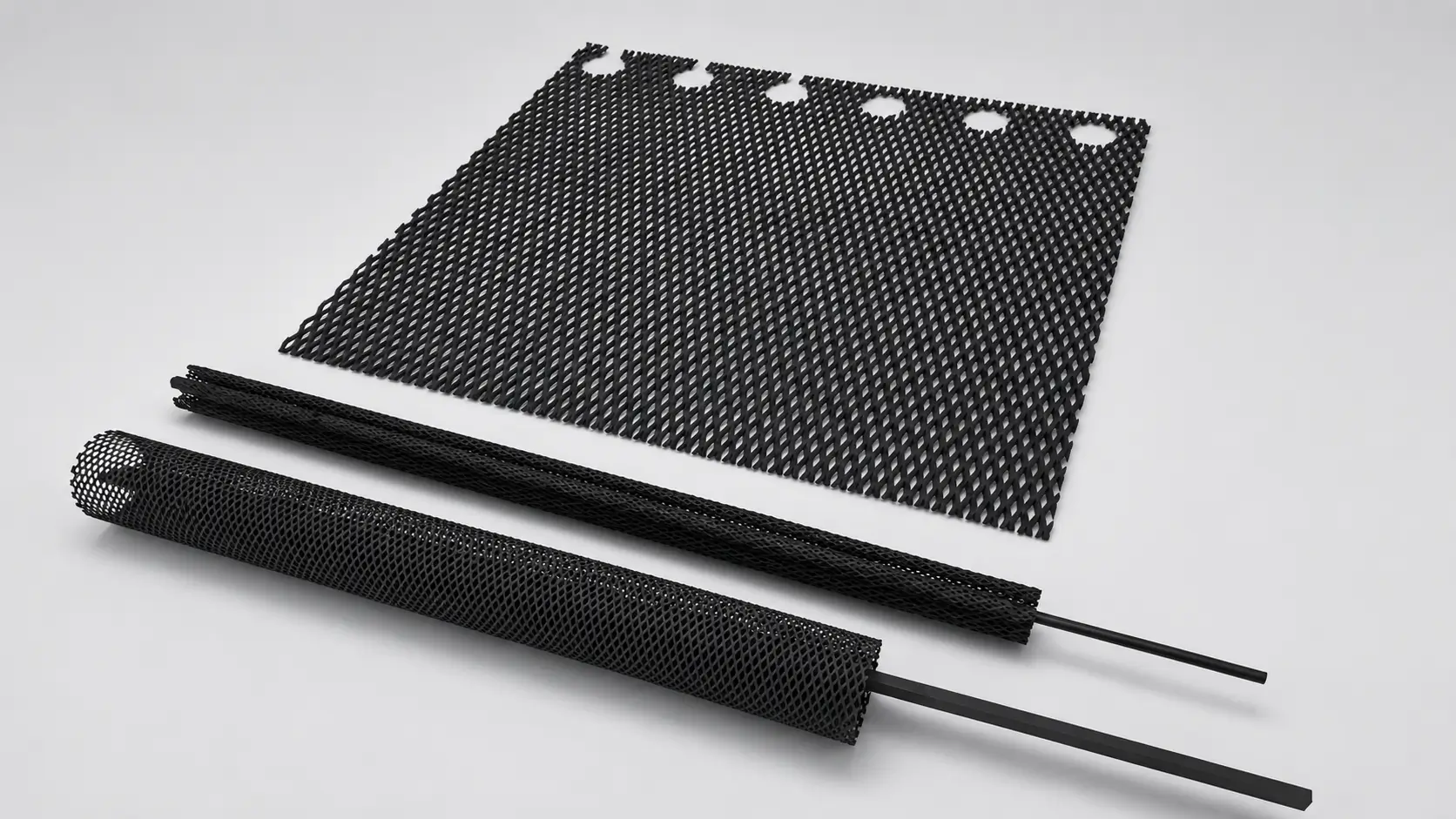
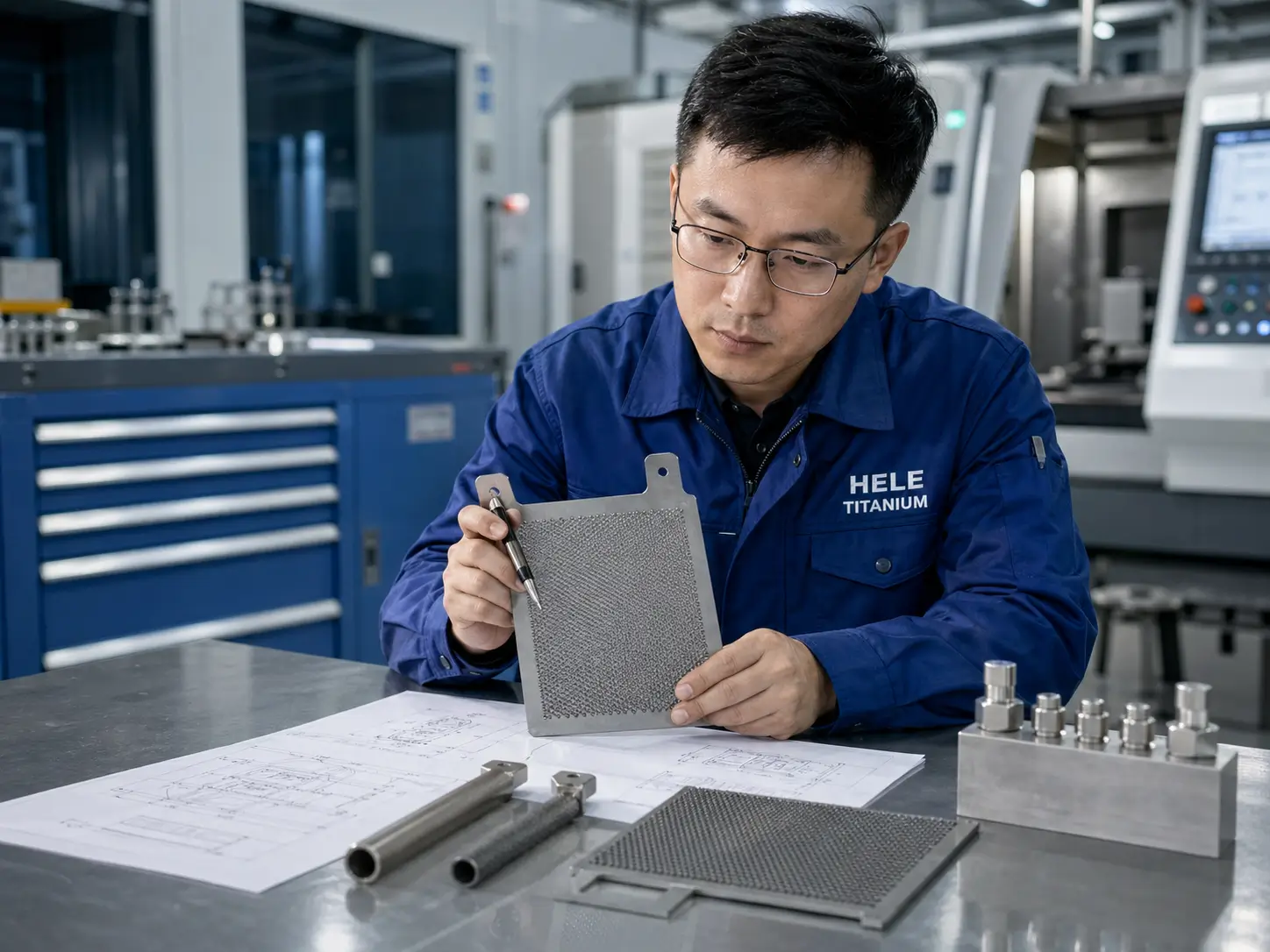
| Mesh | High surface area, lightweight | Excellent gas bubble release | Water treatment, general electrolysis |
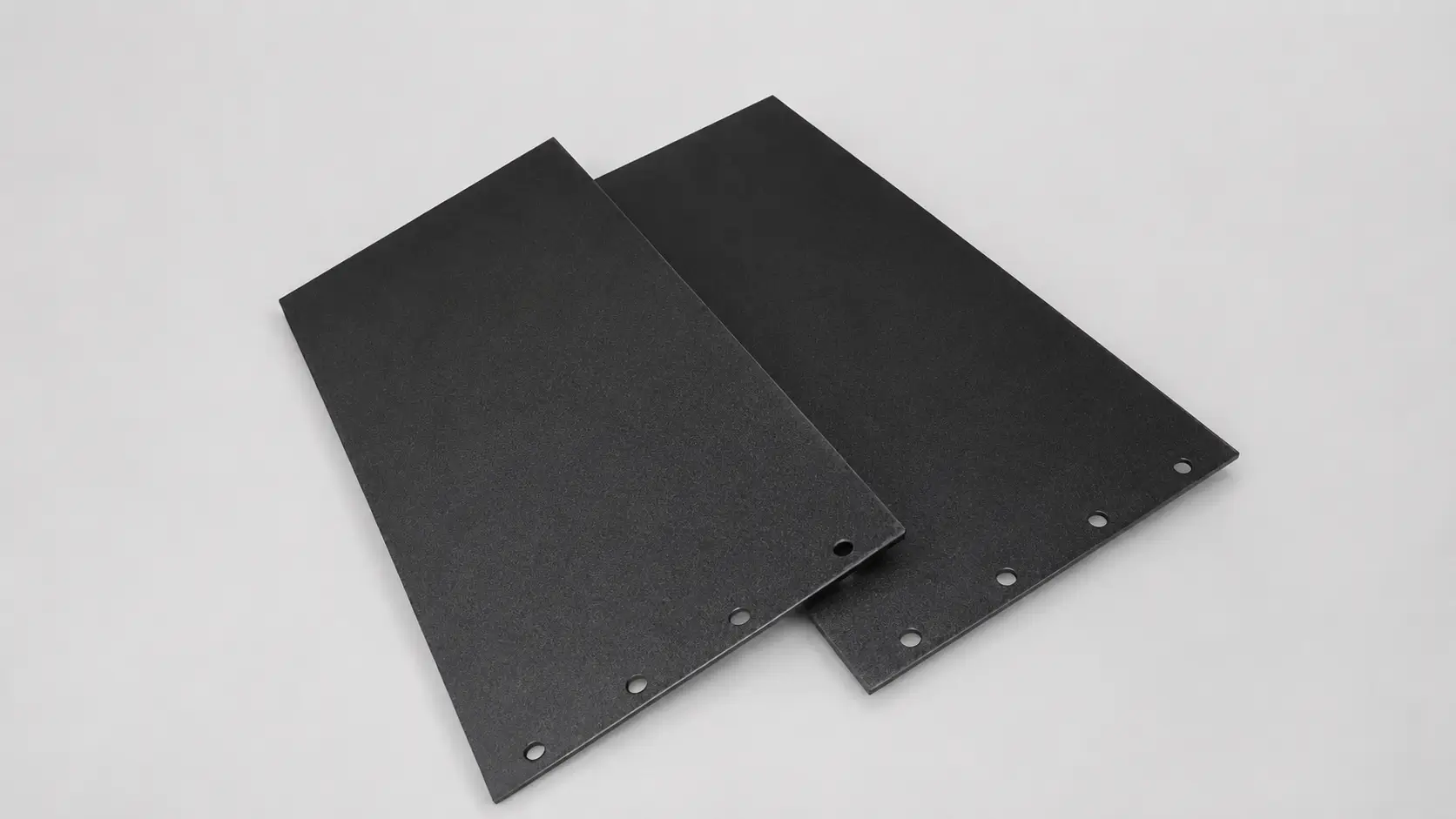
| Plate | High mechanical strength | Handles high current loads | Electrowinning, heavy wastewater |
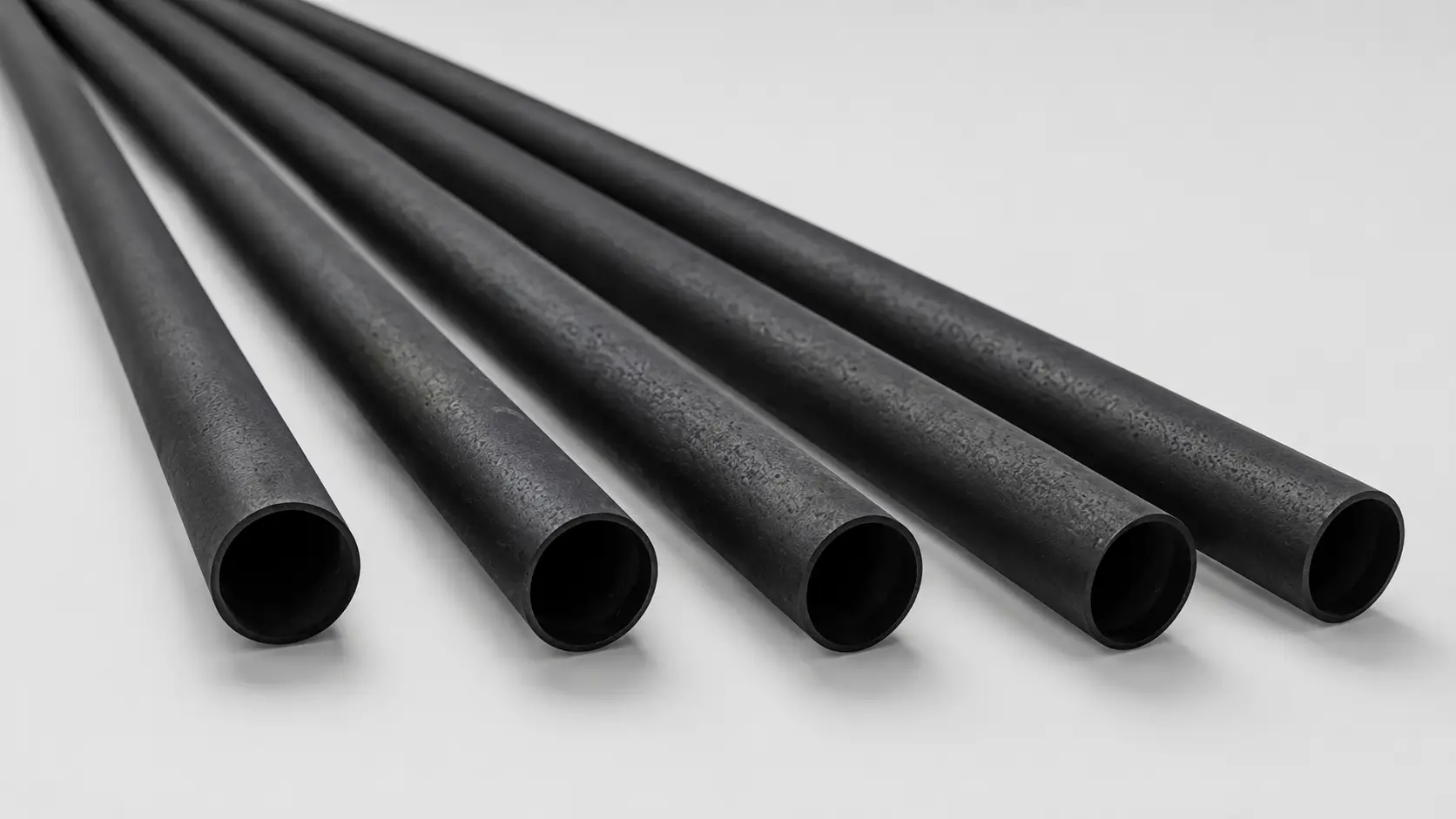
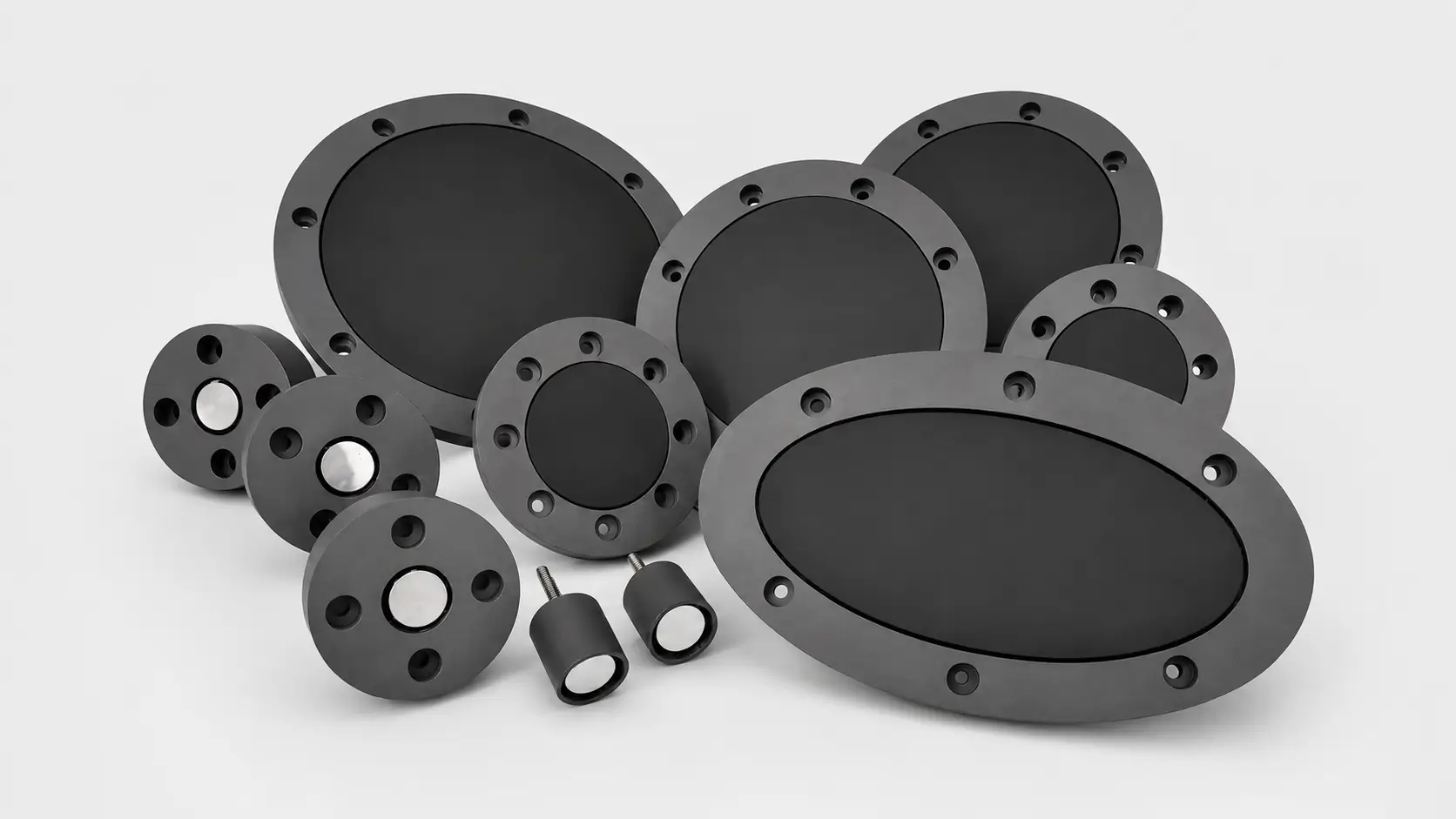
| Tube | 360-degree current distribution | Easy to seal in pipes | ICCP, inline chlorinators |
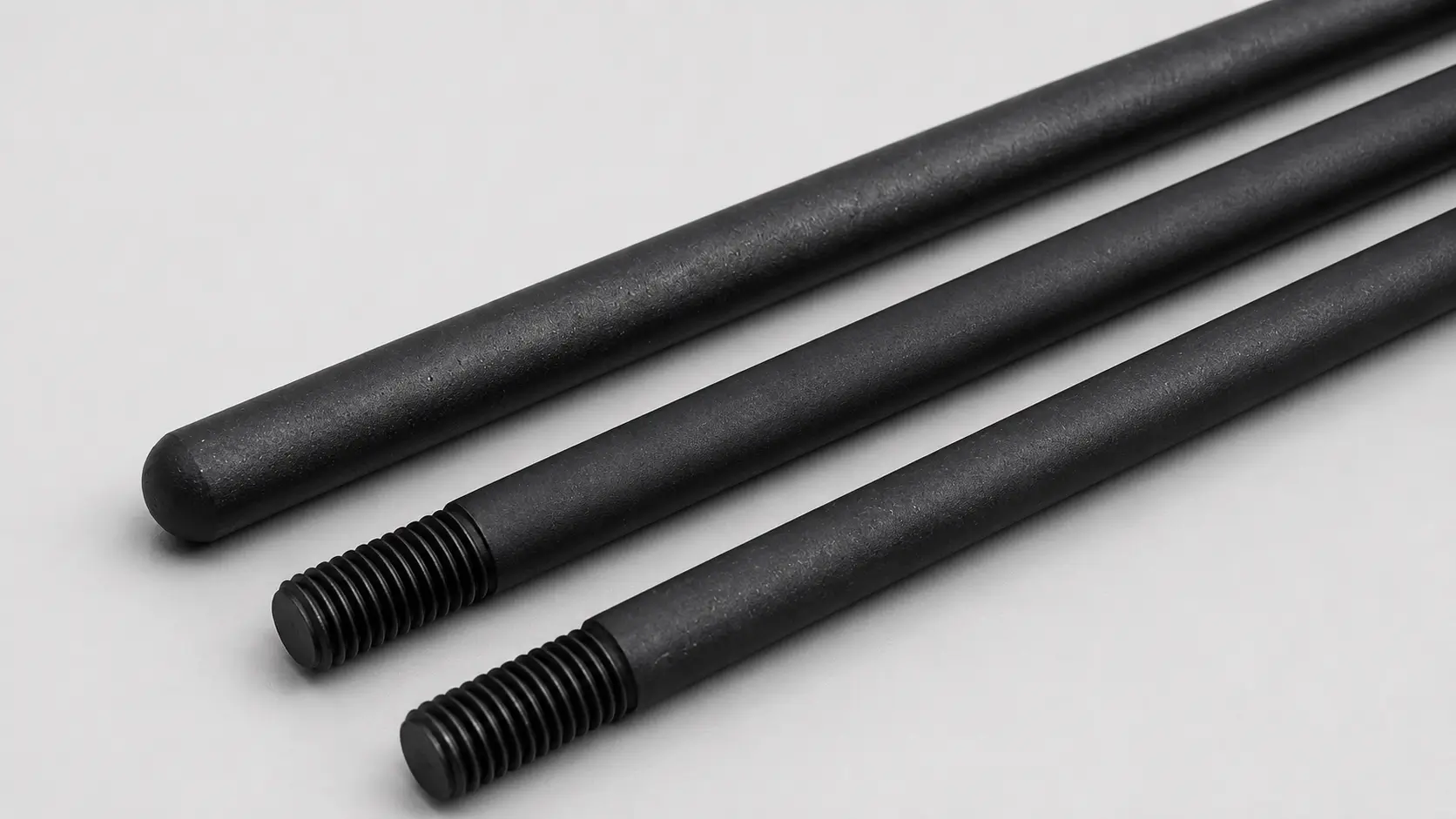
| Rod | Rigid and highly durable | Easy to machine and thread | Internal pipe protection |
| Disc | Compact, targeted area | Fits specialized cell housings | Sensors, specialized cells |
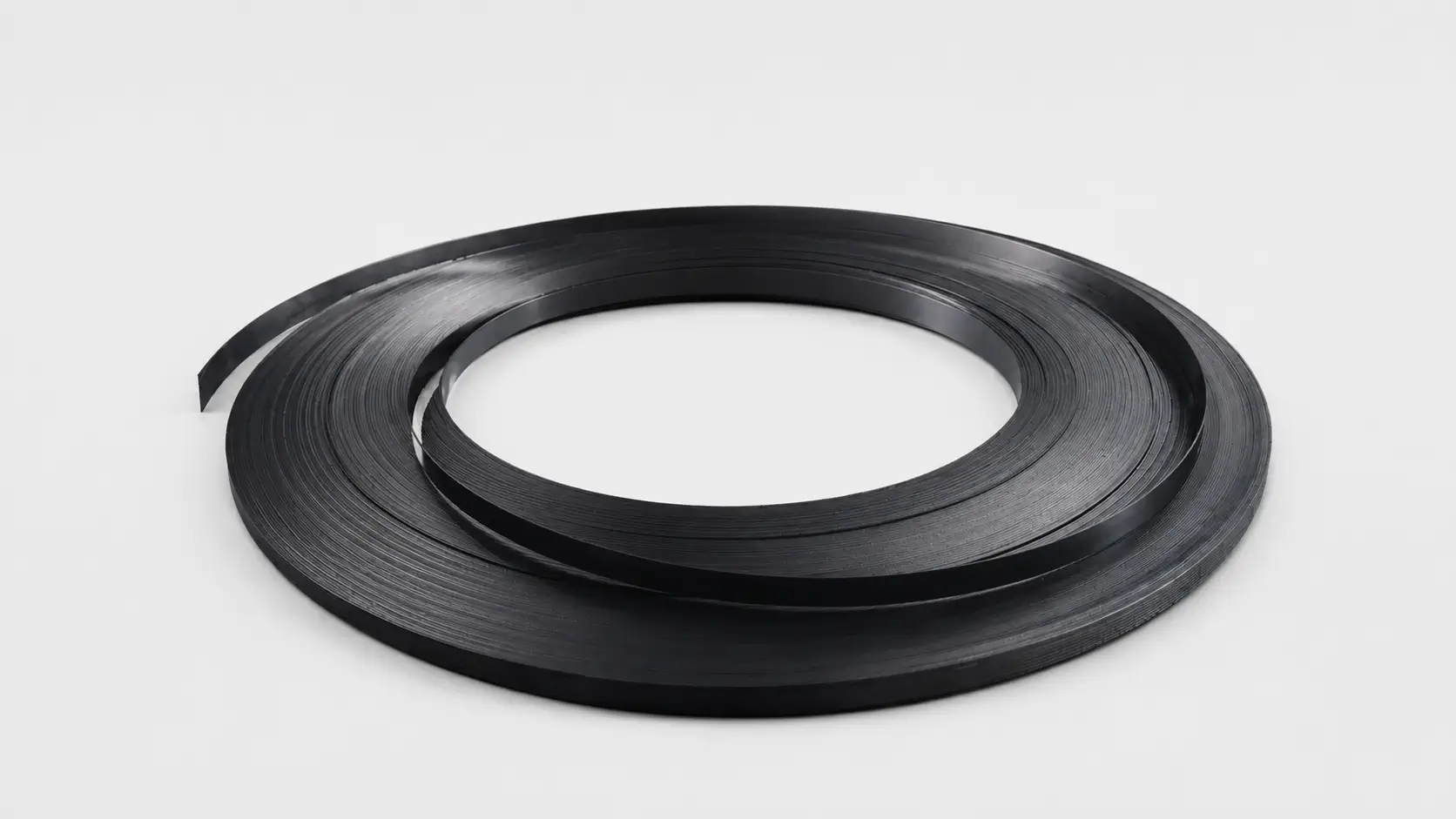
| Ribbon | Flexible, covers long distances | Distributed current network | Concrete rebar ICCP, tank bottoms |
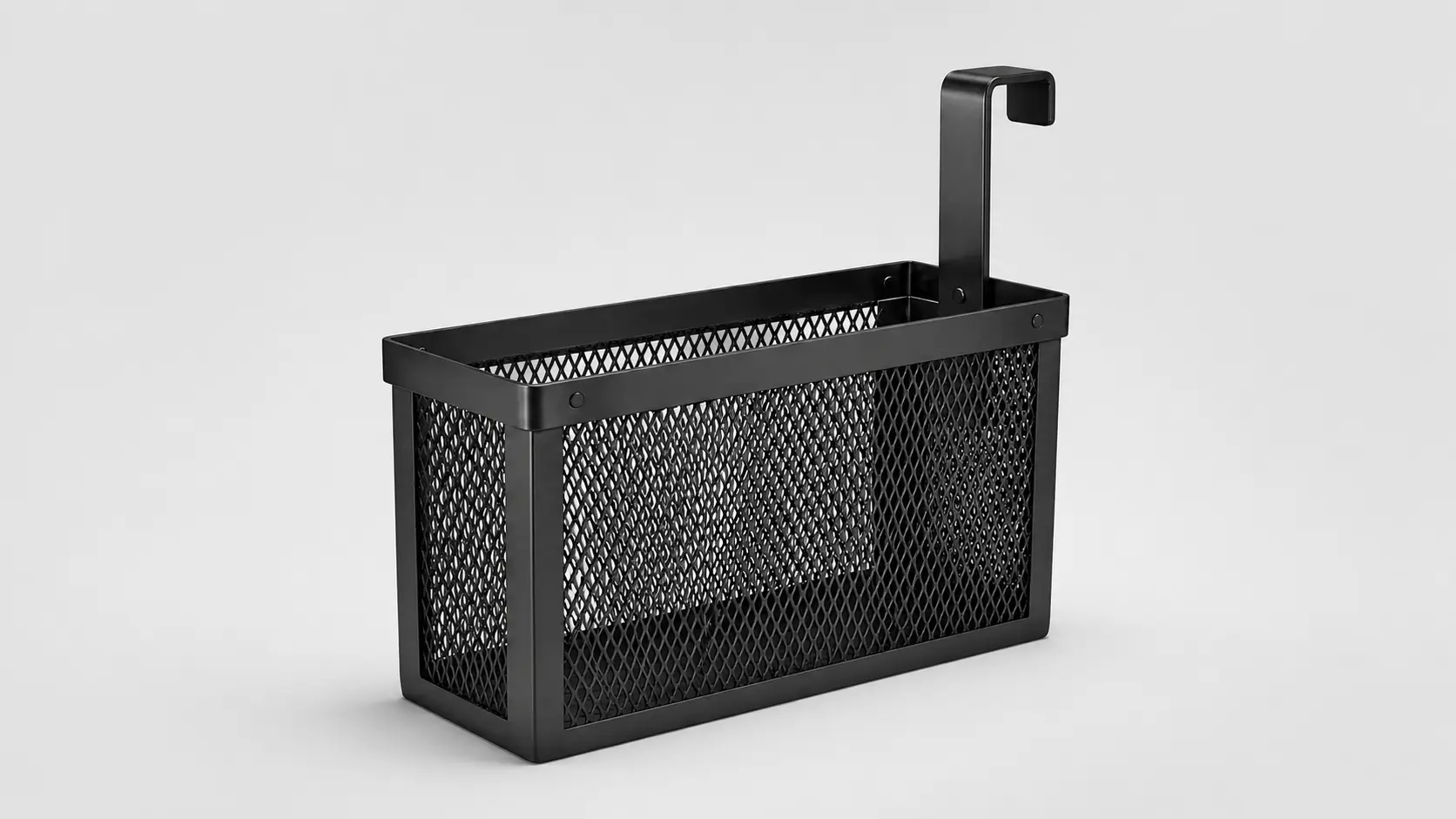
| Basket | Holds sacrificial metals | Easy material replenishment | Electroplating |
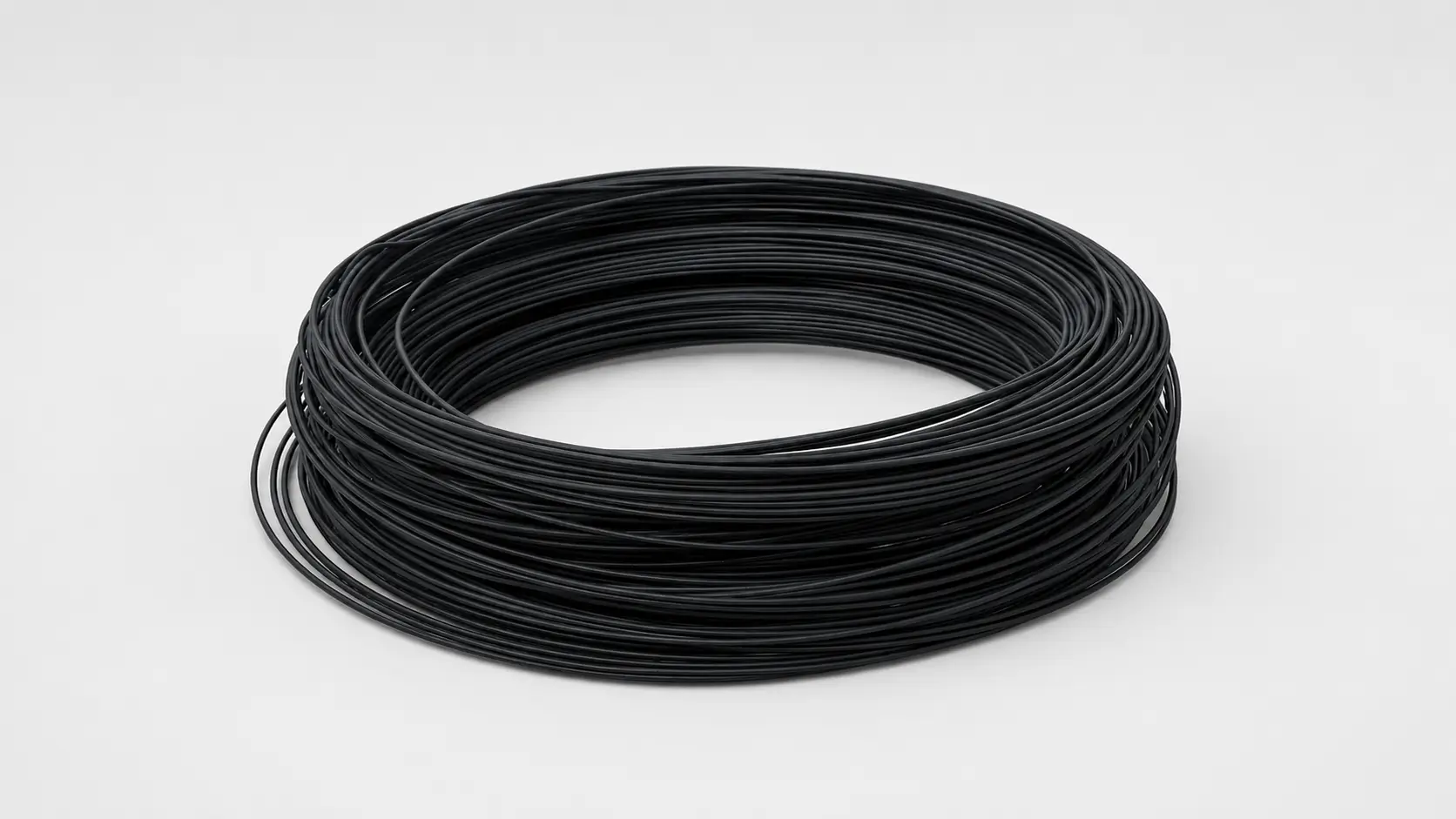
| Wire | Ultra-flexible, continuous | Fits tight, complex spaces | Internal continuous protection |
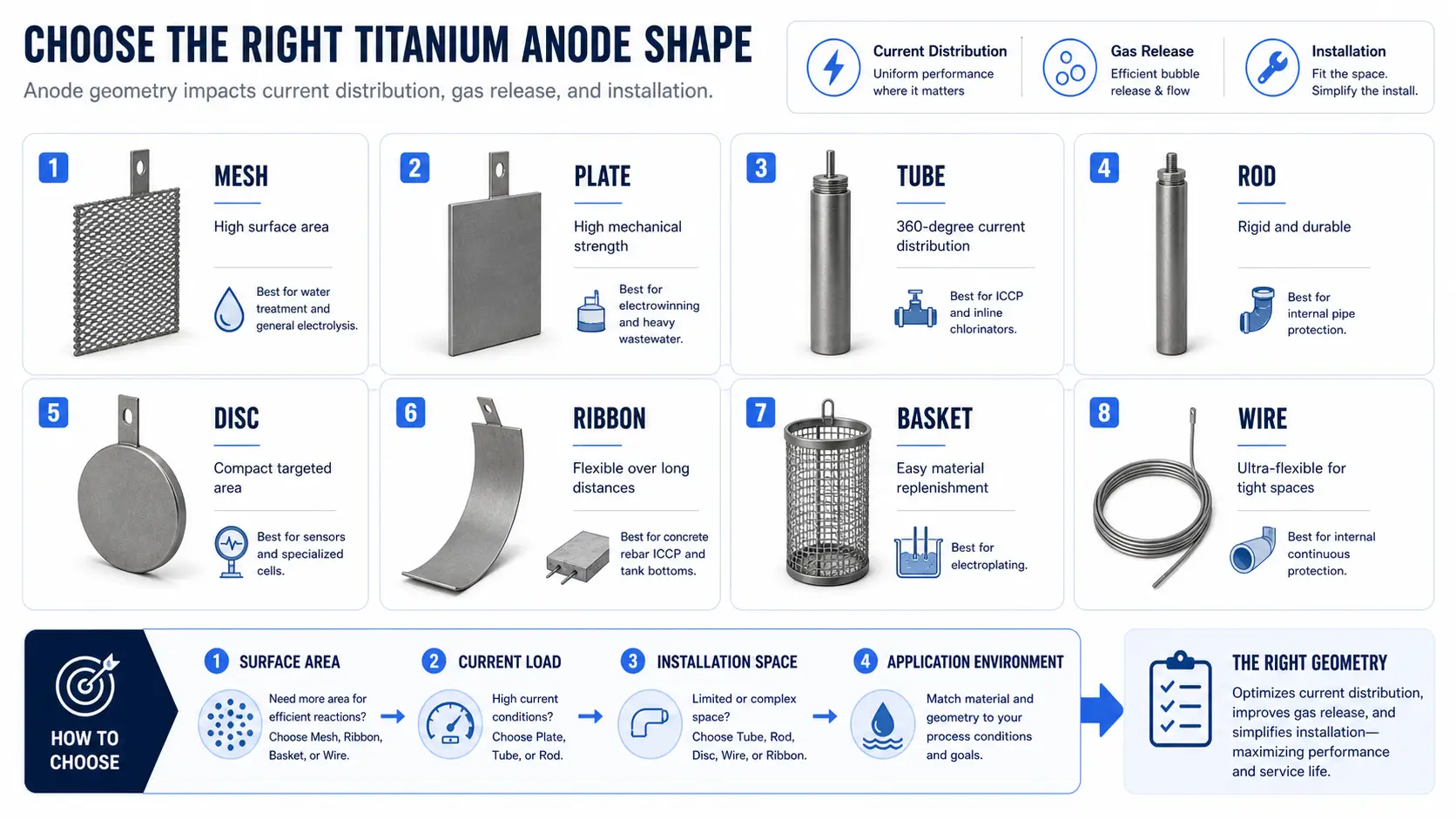
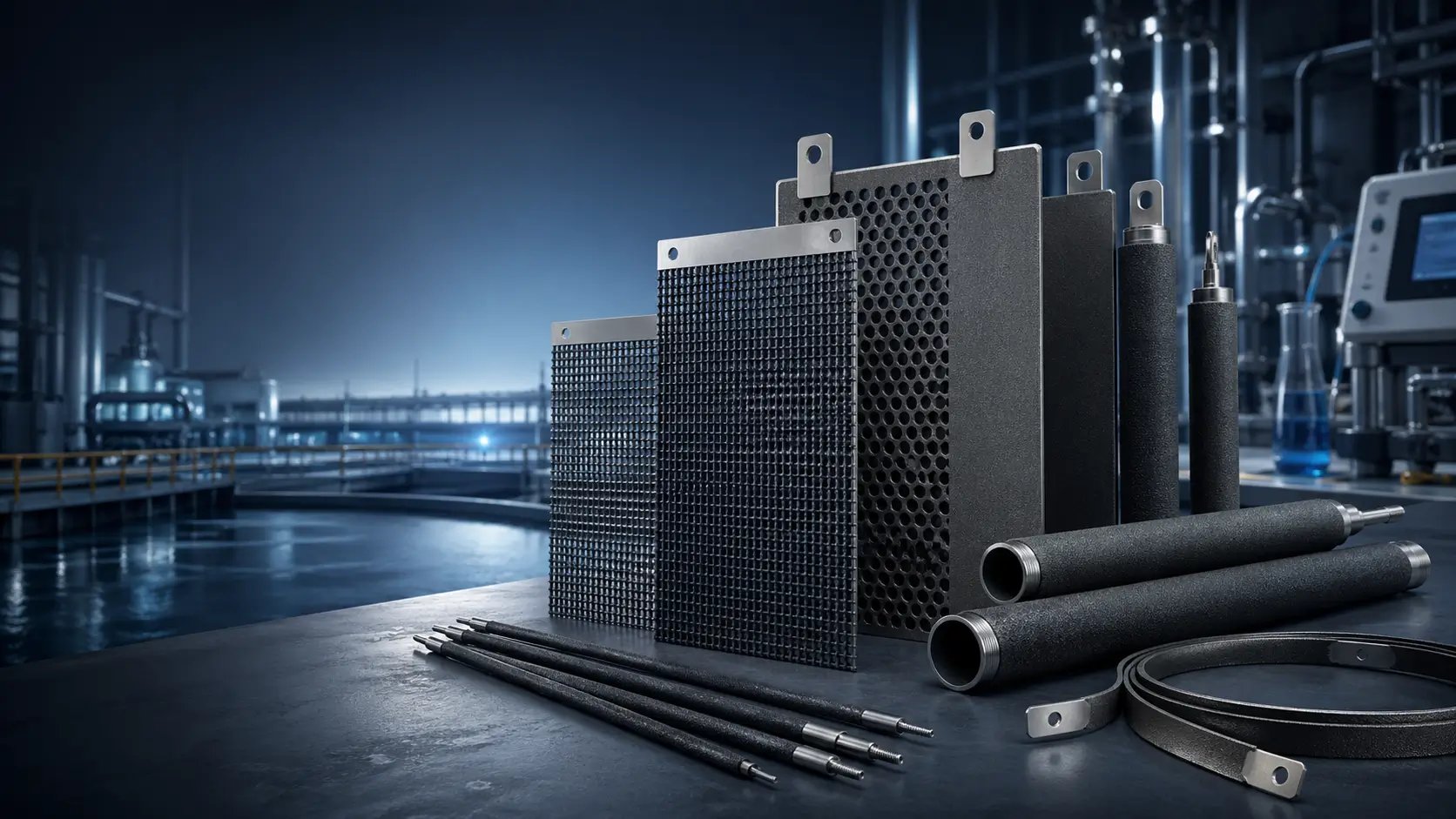
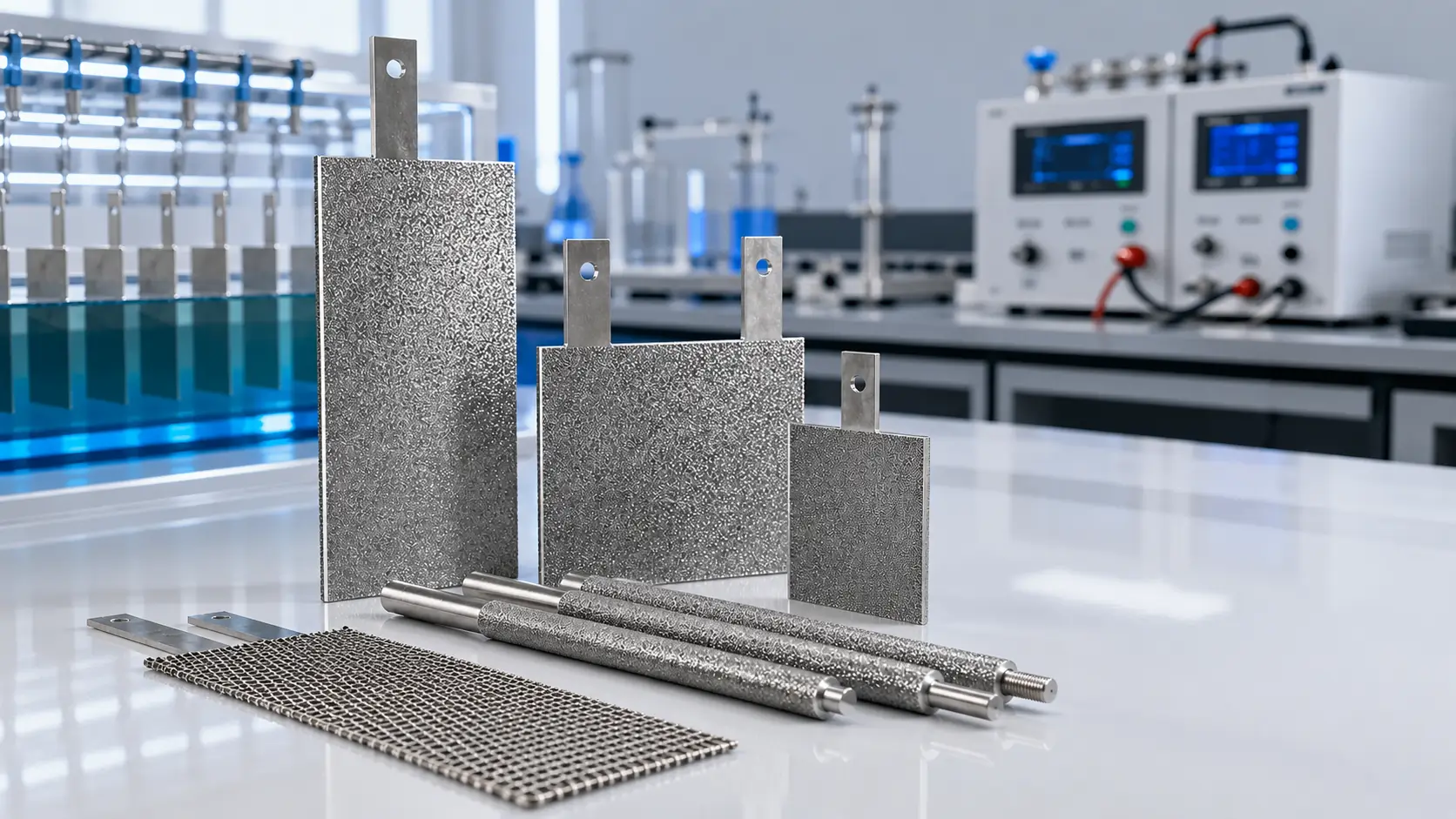
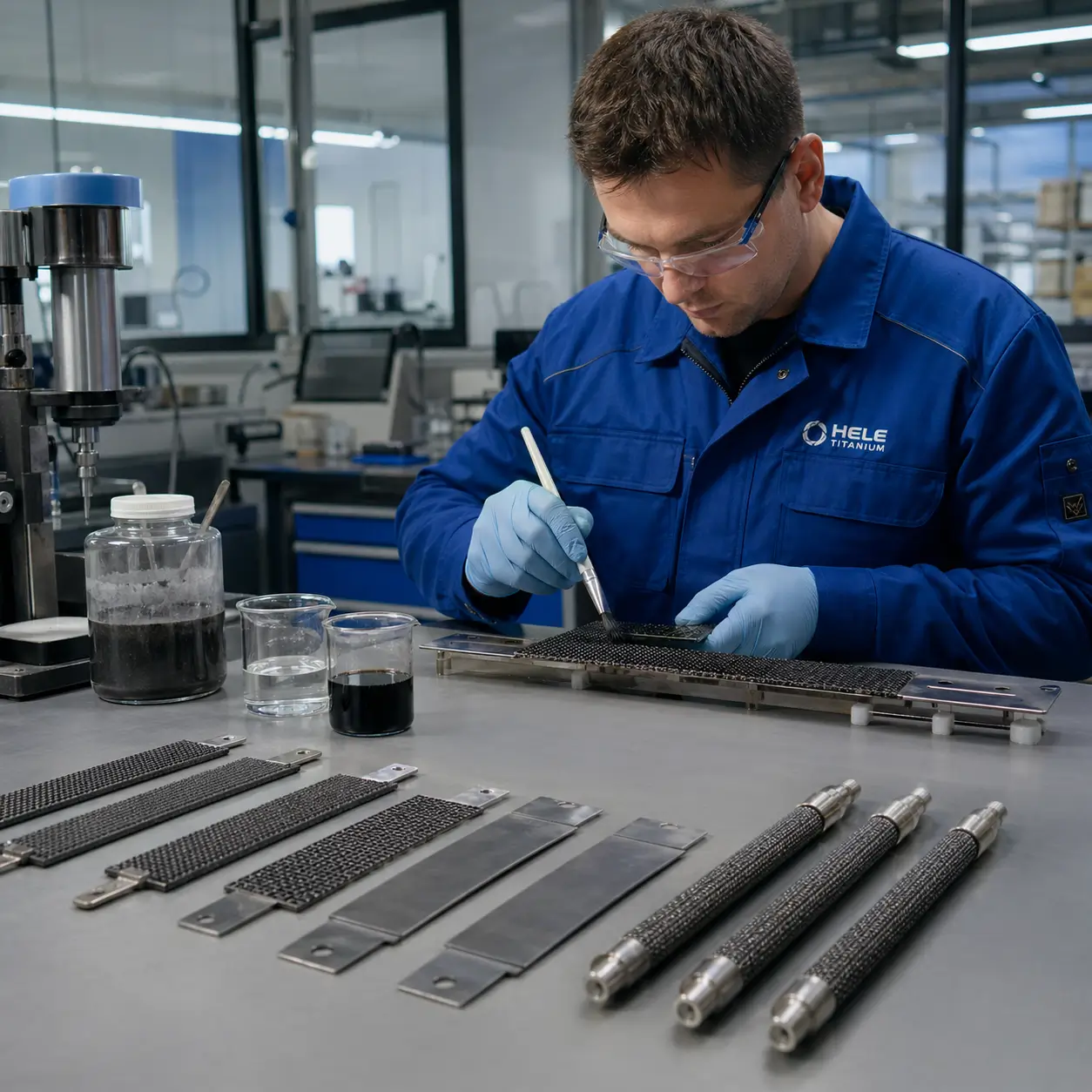
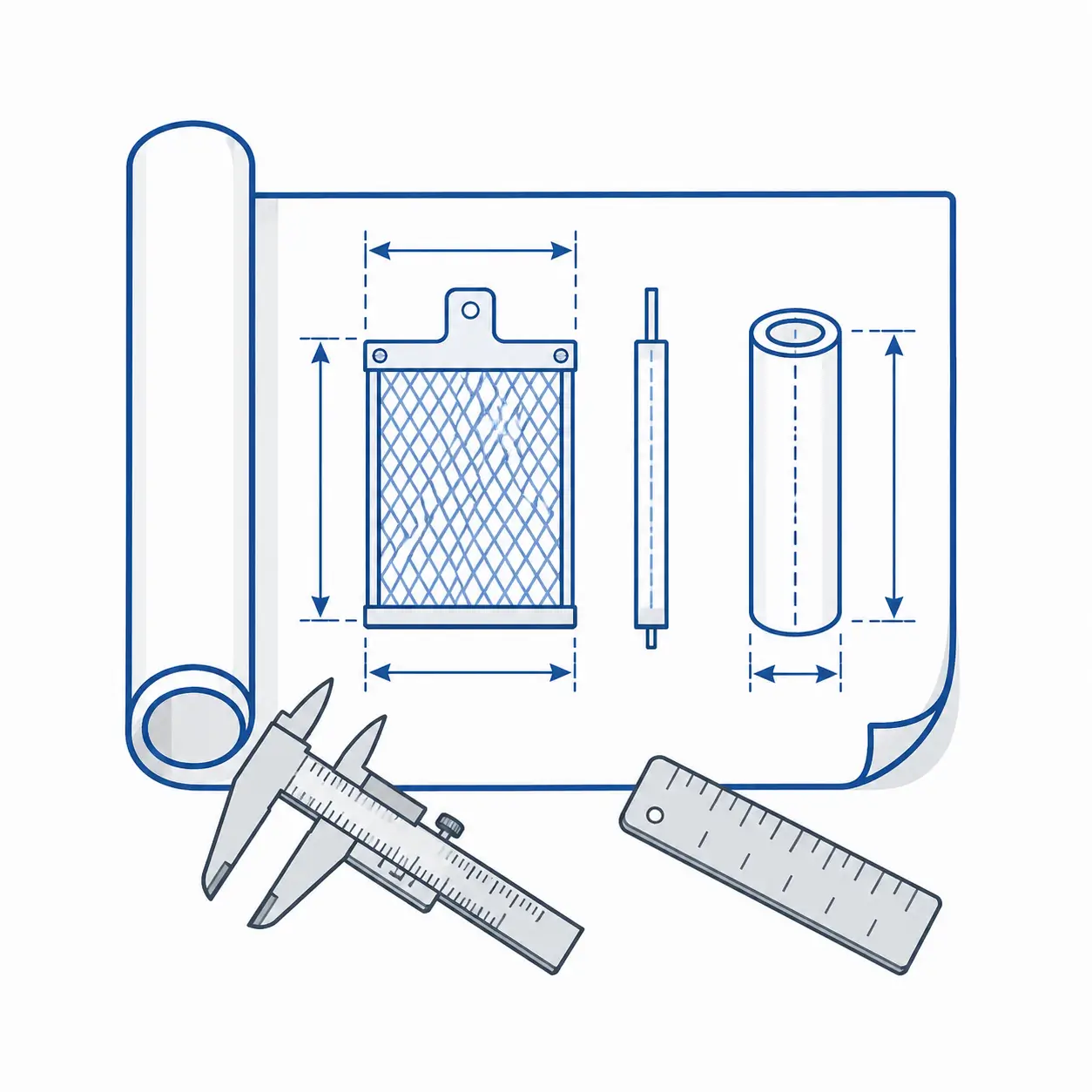
Figure: Various titanium anode geometries designed to optimize current distribution and fit specific operational constraints.
6. Application-Based Selection
Selecting the right titanium anode starts with the application. The operational environment dictates the reaction, which in turn dictates the coating and form.
Every electrochemical system is unique. When selecting an anode based on your application, consider the following:
- Electrolyte Composition: Is it seawater, brine, acidic, or rich in organics? Chlorides typically require Ru-Ir, while sulfates require Ir-Ta.
- Current Density: High-current applications (like electrowinning) demand robust plate or tubular forms with thicker coatings, while low-current applications (like water ionizers) can use delicate meshes.
- Installation Space: Confined spaces might require flexible wire or ribbon anodes, whereas large open tanks benefit from rigid plate or basket designs.
7. Coating Selection by Reaction
Matching the coating formulation to your primary reaction is critical for performance and longevity.
| Coating Type | Primary Reaction | Operating Environment | Main Advantage | Limitations | Best Applications |
|---|---|---|---|---|---|
| Ru-based MMO | Chlorine Evolution | Chlorides / Brine | High efficiency for Cl₂ generation | Poor in pure O₂ evolution | Chlor-alkali, pool chlorinators |
| Ir-based MMO | Oxygen Evolution | Acidic / Sulfates | Extremely stable in aggressive acids | Higher precious metal cost | Electrowinning, ICCP |
| Pt/Ti | High-Purity Reactions | Various | Insoluble, ultra-high purity | High cost, sensitive to ripples | Plating, water ionizers |
| PbO₂/Ti | Strong Oxidation | High Organics | High overpotential for O₂ | Heavy, uses toxic precursors | Wastewater, hydrometallurgy |
| BDD/Ti | Extreme Oxidation | Complex Water | Widest potential window | Very high cost, brittle | Advanced oxidation processes |
Procurement Tip
If you are not sure which coating to choose, start by identifying the dominant reaction. Ru-Ir is commonly used for chlorine evolution, Ir-Ta and IrO₂ are commonly used for oxygen evolution and oxidation systems, while platinized titanium (Pt/Ti) is used for high-purity or special electrochemical applications.